
Published August 13, 2026
Starting a Garden in Lubbock, Texas: What Grows Well in the West Texas Climate

Gardening in Lubbock, Texas: What Grows Well in the West Texas Climate
Gardening in Lubbock can be incredibly rewarding, but it doesn't always work the same way it does in other parts of Texas. Plants that thrive in the humid, rainy conditions of East Texas may struggle here, while many native West Texas plants can flourish with surprisingly little attention.
The difference comes down to Lubbock's unique combination of heat, wind, low humidity, limited rainfall, intense sunlight, temperature swings, and soil conditions. Understanding those conditions can make it much easier to choose the right plants and give them what they need to thrive.
Why Is Gardening in Lubbock So Challenging?

Heat and Intense Summer Sun
Lubbock's summers can be tough on plants. Normal summer temperatures regularly reach the 90s, with average July and August highs around 92–93°F. During periods of extreme heat, temperatures can climb well above 100°F.
The challenge isn't simply the temperature itself. Direct, intense sunlight combined with high temperatures can cause plants to lose moisture very quickly.
Plants constantly release water through a process called transpiration. On a hot, sunny day, that water loss can happen much faster than a plant can replace it through its roots. The result can be:
- Wilting leaves
- Drooping stems
- Leaf scorch or browning
- Sunburned fruit
- Flowers that fade quickly
- Stunted growth
- Plants becoming stressed even when the soil doesn't look completely dry
This is particularly important for young plants and newly transplanted flowers and vegetables because their root systems haven't had time to become established.
Some plants actually prefer hot conditions, but they still need enough moisture in the soil to keep up with the demand created by Lubbock's summer heat.
Lubbock's Wind Makes Everything Harder
If there is one characteristic of West Texas gardening that shouldn't be overlooked, it's wind.
Wind can make a dry climate feel even drier because it increases evaporation from both the soil and the plant itself. A garden may have adequate moisture one day and be noticeably drier after a stretch of hot, windy weather.
Strong winds can also physically damage plants. Young seedlings and newly transplanted flowers are especially vulnerable because their stems and roots haven't had time to establish.
Wind can:
- Dry out soil quickly
- Break stems and branches
- Flatten or uproot young plants
- Damage delicate flowers and foliage
- Increase the need for watering
- Blow away loose soil
- Increase dust accumulation on leaves
For vegetables such as tomatoes and peppers, wind can also become a problem when plants become large and top-heavy. Staking, cages, trellises, and other forms of support can help keep plants upright.
This is one reason a garden's location matters almost as much as the plants you choose. A garden with some protection from prevailing winds can be considerably easier to maintain than one sitting completely exposed.
We Don't Get a Lot of Rain
Lubbock averages only about 18.33 inches of precipitation per year, according to National Weather Service climate normals.
That means gardeners generally can't rely on rainfall alone to keep a productive garden watered.
And even when rain does come, it doesn't necessarily arrive when plants need it most. Long dry periods can be followed by a heavy storm, meaning a garden can go from very dry to receiving a large amount of water in a short period of time.
This creates a challenge for gardeners because watering needs to be consistent rather than simply waiting for rain.
Vegetables are especially sensitive to inconsistent moisture. Plants such as tomatoes, peppers, and squash can respond poorly to repeated cycles of becoming very dry and then receiving large amounts of water.
A consistent watering routine is often more beneficial than occasionally giving plants a large amount of water.
Low Humidity Increases Water Loss
Lubbock's generally dry atmosphere compounds the effects of heat and wind.
When the air is dry, moisture can move more quickly from wet soil and plant surfaces into the atmosphere. Combine that with high temperatures and wind, and plants can lose water rapidly.
This is one reason a plant that might be considered relatively drought-tolerant in another region can still need regular attention while it is becoming established in Lubbock.
Drought tolerance doesn't mean a plant never needs water. It usually means the plant is better equipped to survive periods of limited moisture once its root system is established.
Our Growing Season Can Be Unpredictable
Another challenge for Lubbock gardeners is that the transition between seasons isn't always smooth.
Spring can bring warm temperatures that make it tempting to plant early, followed by a sudden cold snap or freeze. Lubbock's historical climate records show that substantial temperature swings can occur during the spring transition.
This makes timing particularly important.
A vegetable or flower that loves warm weather may grow quickly once temperatures rise, but planting it too early can expose it to conditions it can't tolerate.
That's why experienced local gardeners often pay close attention to soil temperature, forecasted freezes, and local planting windows rather than relying solely on the calendar.
Our Winter Weather Matters, Too
Lubbock's gardening challenges don't disappear when summer ends.
Winter temperatures can drop well below freezing, and the area has experienced extremely cold temperatures historically. Even January's normal low temperature is around 27°F.
For perennial plants, this means winter hardiness matters. A plant may handle Lubbock's summer heat beautifully but still fail to survive the winter.
This is also why understanding the difference between annuals and perennials is important when planning a garden.
Annuals complete their life cycle in one growing season and generally need to be replanted. Perennials can return year after year if they are suited to the local conditions and receive the care they need.
Soil Conditions Can Make a Difference
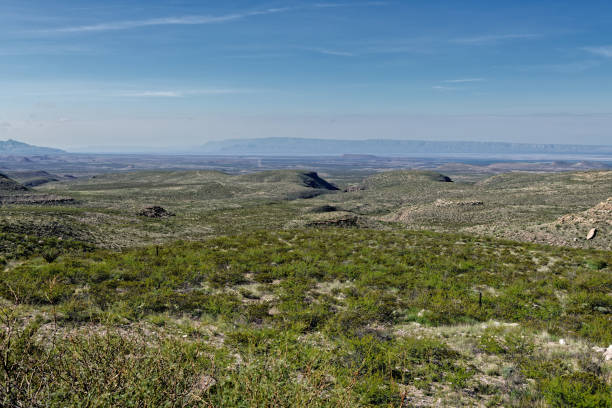
Weather isn't the only challenge. Soil can make a huge difference in how successfully a garden grows.
Alkaline Soil Can Affect Nutrient Availability
Many soils in West Texas are alkaline, and Texas A&M AgriLife notes that lowering pH can be particularly difficult in alkaline soils found throughout much of West Texas.
Soil pH affects how easily plants can access nutrients, meaning a soil can contain nutrients that aren't necessarily available to the plant in the form it needs.
For many vegetables, a slightly acidic soil is preferable, with roughly 6.0–7.0 being an ideal range for many plants.
This is why simply adding fertilizer isn't always the answer. A soil test can tell you much more about what your garden actually needs.
Adding organic matter such as compost can also improve soil structure and help create a better environment for roots.
Caliche Can Create Problems Below the Surface
One of the more distinctly West Texas gardening challenges is caliche.
Caliche is a hardened layer of soil containing significant amounts of calcium carbonate. When it occurs close to the surface, it can make digging difficult and restrict how easily roots can move downward.
For gardeners, that can mean:
- Poor drainage in some locations
- Restricted root growth
- Difficulty digging planting holes
- Water behaving differently than expected
- Larger plants struggling to establish deep root systems
This is another reason raised beds, amended planting areas, and containers can be useful options for certain gardens.
Water Quality and Salt Buildup Can Matter
Water itself can also affect long-term garden health.
Texas A&M AgriLife notes that irrigation water and soil salinity are important considerations for crop production, particularly in hot and dry conditions. As soil salinity increases, plants have more difficulty extracting water from the soil.
In other words, a garden can have water available without every bit of that water being equally useful to the plant.
This is especially important for gardeners who water frequently over long periods. If salts accumulate in the soil, sensitive plants can eventually show signs of stress.
West Texas Storms Can Be Tough on Gardens
Lubbock's weather can change quickly, and severe thunderstorms can create an entirely different set of problems.
Heavy rain can cause temporary flooding or runoff. Hail can shred leaves and flowers in minutes. Strong winds can break stems, knock over plants, and damage trees. Dust and blowing soil can also cover foliage.
This is another reason that resilient plants and good garden structure matter.
A garden doesn't necessarily have to be completely protected from the elements, but using stakes, cages, wind protection, sturdy supports, and appropriate plant placement can help reduce damage.
The Good News: Plenty of Plants Love These Conditions
The challenges of gardening in Lubbock don't mean you can't have a beautiful, productive garden. In fact, one of the biggest advantages of gardening here is that there are many plants that are naturally adapted to heat, drought, intense sunlight, and less-than-perfect soil.
The key is choosing plants that match the environment instead of trying to make the environment behave like somewhere else.
Native and adapted plants are particularly valuable because they have evolved or been selected to handle conditions similar to those found here. Once established, many require considerably less supplemental water and maintenance than plants that prefer cooler or more humid environments.
That doesn't mean every native plant will thrive in every Lubbock yard. Sun exposure, soil, drainage, watering habits, and the specific microclimate around your home all matter.
But choosing plants that are naturally suited to our conditions gives your garden a much better starting point.
Work With the Climate, Not Against It
The biggest shift for a new gardener in Lubbock is understanding that successful gardening isn't necessarily about fighting the climate.
It's about working with it.
Instead of asking:
"How can I make this plant grow here?"
It can be more helpful to ask:
"Which plants are happiest growing here?"
Once you start choosing plants based on Lubbock's heat, wind, sunlight, water availability, and soil conditions, gardening becomes much more manageable.
That's why the plant list below focuses on flowers, vegetables, herbs, native plants, and trees that can perform well in and around Lubbock.
Plants Suited for Gardening in West Texas
Herbs
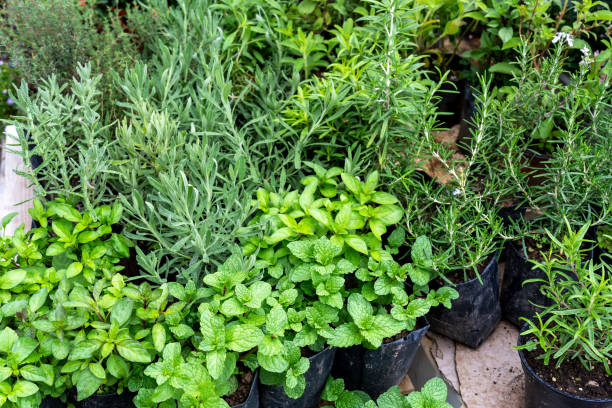
Rosemary • Sage • Oregano • Thyme • Lemongrass • Basil
Vegetables
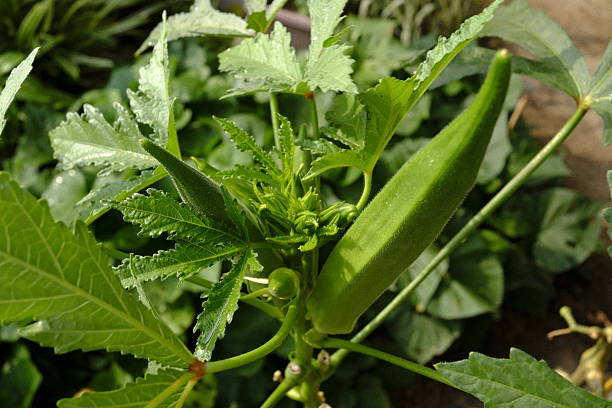
Okra • Peppers • Black-eyed peas • Squash • Tomatoes
Annual Flowers
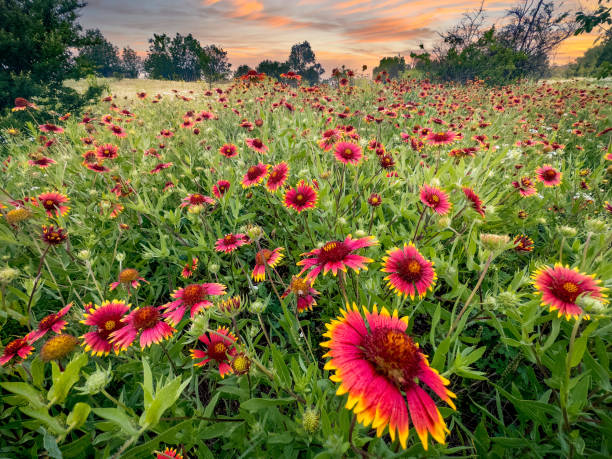
Sunflowers • Marigolds • Zinnias • Periwinkle • Summer snapdragons • Celosia • Purslane
Perennial Flowers
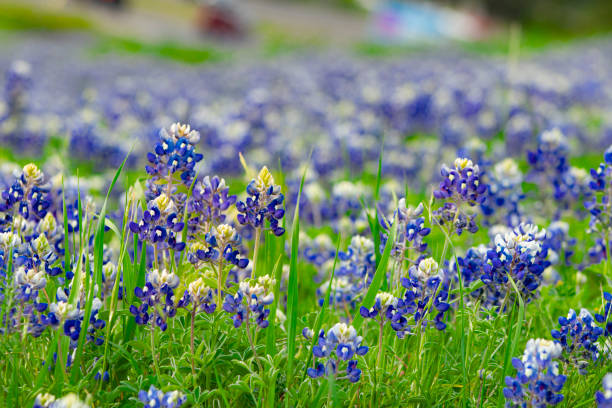
Lantanas • Blanket flowers • Mealy blue sage • Winecups • Catnip • Daylilies • Yarrow
Native Wildflowers & Herbs
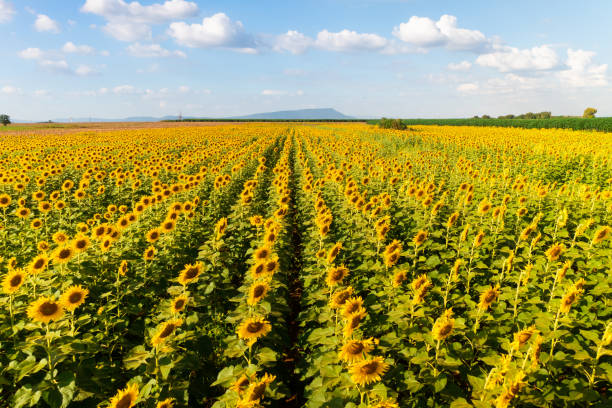
Tahoka daisy (annual) • Beebalm (perennial) • Goldenwave (annual) • Purple prairie verbena (perennial) • Standing cypress (perennial) • Blazing stars (perennial) • Black-eyed Susans (perennial) • Blue flax (perennial) • Prairie spiderwort (perennial)
Native Shrubs & Succulents
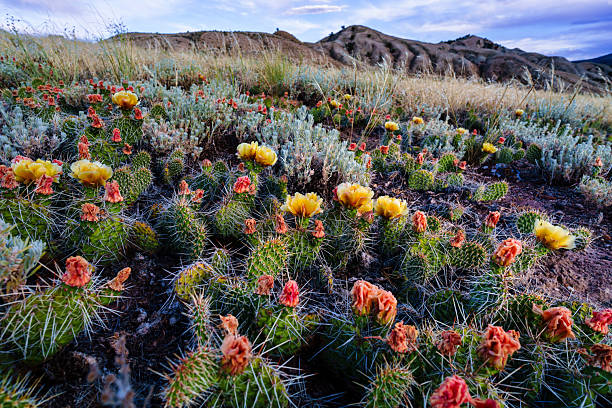
Sotol • Horse crippler • American aloe • Prickly pear cactus • Bear grass • Ocotillo • Texas mountain laurel (large shrub) • Texas sage • Creosote bush (toxic if consumed) • New Mexico privet • Purple skullcap
Native Trees
Desert willow • Honey mesquite • Netleaf hackberry